

How Are Tartans Designed? (Colors, Patterns, and Structure Explained)

Tartans may look complex, but they are built from a structured system of colors and repeating patterns. Every tartan is created using a specific sequence that determines how the design will appear across the fabric.
Understanding how tartans are designed helps explain why each one looks distinct while still following the same basic principles.
How Are Tartan Colors Chosen?
The colors in a tartan are selected first and form the foundation of the design.
Designers choose:
- The number of colors used
- The balance between light and dark tones
- How bold or subtle the overall pattern will appear
Some tartans use strong contrasting colors, while others use more muted tones to create a softer look.
How Is the Pattern Built?
Once the colors are chosen, they are arranged into a sequence that determines the order and width of each stripe.
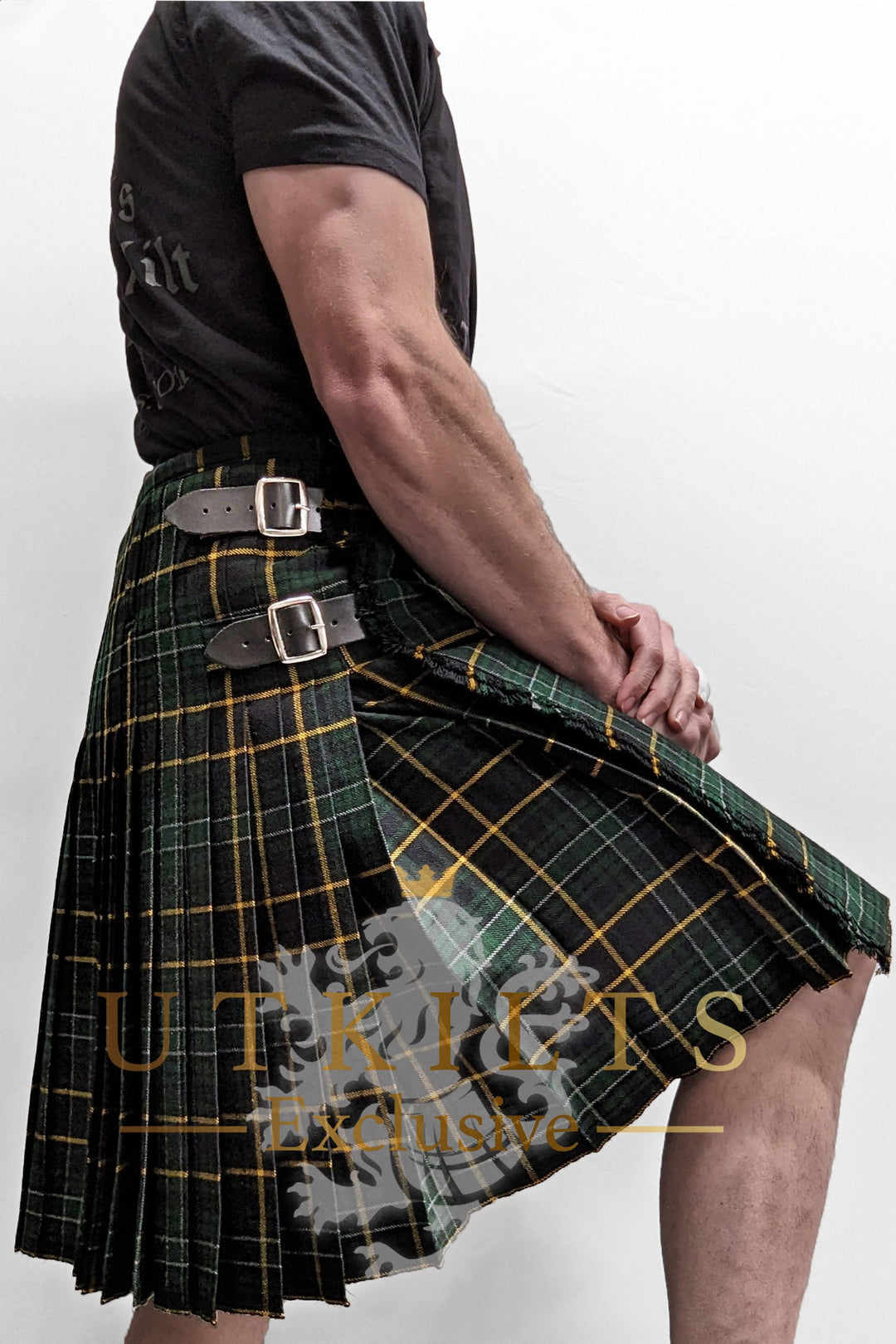
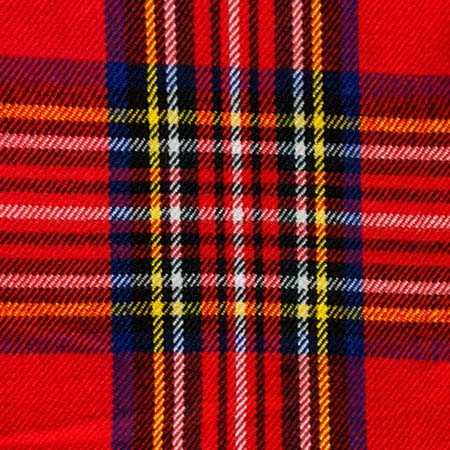
This sequence creates the structure of the tartan and defines how the pattern will repeat. The same sequence is used in both directions of the fabric, which produces the familiar crisscross design.
To learn more about how this pattern structure works, see:
→ What is a tartan sett pattern and structure explained
How Does the Pattern Repeat?
Tartan patterns repeat in a mirrored sequence. This means the pattern runs forward and then reverses, creating a symmetrical design.
This repetition is what allows a tartan to be woven consistently and recognized no matter where it is produced.
Do Designers Follow Rules?
There are no strict rules that limit how a tartan must be designed, but most follow traditional principles to maintain balance and readability.
Designers typically aim for:
- A clear, repeatable pattern
- Balanced color distribution
- A design that works well when worn as a kilt
This ensures the tartan looks good both as fabric and as a finished garment.
Are New Tartans Still Being Created?
Yes, new tartans are still being designed today.
Modern tartans are often created for:
- Families and individuals
- Organizations and companies
- Events and commemorations
These new designs follow the same basic structure as traditional tartans, but allow for more flexibility in color and purpose.
To learn more about how tartans are recorded, see:
→ How tartans are registered or recorded
Final Thoughts
Tartan design is a balance between creativity and structure. While each tartan is unique, they are all built using the same underlying system of color sequences and repeating patterns.
Understanding how tartans are designed makes it easier to recognize, compare, and appreciate different patterns.



Leave a comment